Different Types of Aluminum Sheets on Alloy Series
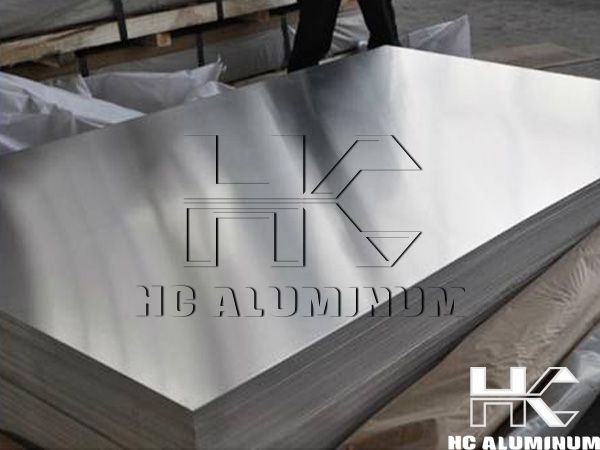
From a professional perspective of industrial exports, aluminum sheets circulating in the global market can be divided into five core alloy series, each corresponding to clear performance boundaries and application scenarios.
The classification of aluminum sheets is essentially a differentiated combination of alloy composition and heat treatment processes, rather than a simple division by application. From a professional perspective of industrial exports, aluminum sheets circulating in the global market can be divided into five core alloy series, each corresponding to clear performance boundaries and application scenarios.

1xxx Series Pure Aluminum Sheets
1xxx series aluminum sheet are the basic category, with an aluminum content ≥99.00%, among which 1050, 1060, and 1100 are the mainstream export grades. These aluminum sheets have excellent electrical conductivity and corrosion resistance, but relatively low strength, with a tensile strength of only 90–130 MPa, and cannot be strengthened through heat treatment. Their advantages lie in good formability, easy welding, and the lowest cost among all series, making them widely used in signage, decorative panels, heat sinks, and chemical storage tank linings. HC Aluminum offers 1xxx series aluminium sheets as thin as 0.2mm, with a flatness ≤1.5mm/m, suitable for continuous stamping and bending processes.
3xxx Series Aluminum-Manganese Rust-Proof Aluminum Sheets
Represented by 3003, 3004, and 3105, have a manganese content of 1.0%–1.5%, offering approximately 20% higher strength than the 1xxx series while maintaining excellent plasticity and corrosion resistance. 3000 series aluminum sheet is a mainstay material in the construction and packaging industries, widely used in roofing, walls, gutters, can bodies, and food containers. H24 semi-rigid is the most commonly delivered condition, balancing rigidity and formability; H18 hard is used for applications requiring higher stiffness.
5xxx Series Aluminum-Magnesium Medium-Strength Aluminum Sheets
With core grades including 5052, 5083, 5086 and 5754, have a magnesium content of 2.2%–4.5%, and tensile strengths reaching 190–350MPa, making it the strongest series among non-heat-treatable strengthening alloys. 5000 series aluminum sheets exhibit outstanding resistance to marine atmospheric corrosion, earning them the nickname "marine aluminum." They also possess excellent weldability, making them standard materials for ships, automotive fuel tanks, pressure vessels, and rail transportation interiors. Among them, 5083-H116 aluminium sheet is the most widely used in the marine sector, achieving a corrosion rating of level 9 or higher after 1000 hours of salt spray testing.
6xxx Series Aluminum-Magnesium-Silicon Heat-Treated Aluminum Sheets
Are based on 6061, 6063, and 6082, strengthened through Mg₂Si phase precipitation. In the T6 temper, their tensile strength can reach 260–320 MPa. 6000 series aluminum sheet offers balanced overall performance, with excellent strength, corrosion resistance, machinability, and anodizing effect, making it the preferred choice for industrial structural components, mold base plates, and automated equipment frames. 6061-T6 aluminum sheet is the single grade with the largest global industrial aluminum procurement volume, with a stable HB hardness of 95–110 and thickness tolerance controllable within ±0.05 mm.
7xxx Series Aluminum-Zinc-Magnesium-Copper High-Strength Aluminum Sheets
Represented by grades 7075 and 7050, have a zinc content of 5.1%–6.1%. In the T6 temper, their tensile strength reaches 500–570 MPa, comparable to low-carbon steel, earning them the nickname "aerospace aluminum." However, 7000 series aluminum sheet generally has poor corrosion resistance and a high tendency for stress corrosion. It is primarily used in high-load applications such as aerospace structures, high-end sports equipment, and molds. The unit price is approximately 2.5–3.5 times that of 6061 aluminum sheet.
Besides the alloy series, delivery condition (O temper, H temper, T temper), surface treatment (hot-rolled, milled, brushed, anodized), and thickness specifications are also important dimensions for classification. For example, within the 6061 series, the T4 temper is suitable for subsequent bending and forming, the T6 temper is used for structural load-bearing, and the T651 temper eliminates internal stress, making it suitable for precision machining.
Overall, aluminum sheet selection follows the principle of "sufficient performance and optimal cost"—choose the 1xxx series for general decoration, the 3xxx series for building cladding, the 5xxx series for corrosion-resistant structures, the 6xxx series for general industrial applications, and the 7xxx series for high-strength load-bearing applications. HC Aluminum can provide customized supply of full types of aluminum sheets, complete with full material certifications and export compliance documents, helping overseas clients quickly identify the optimal material solution for complex projects.
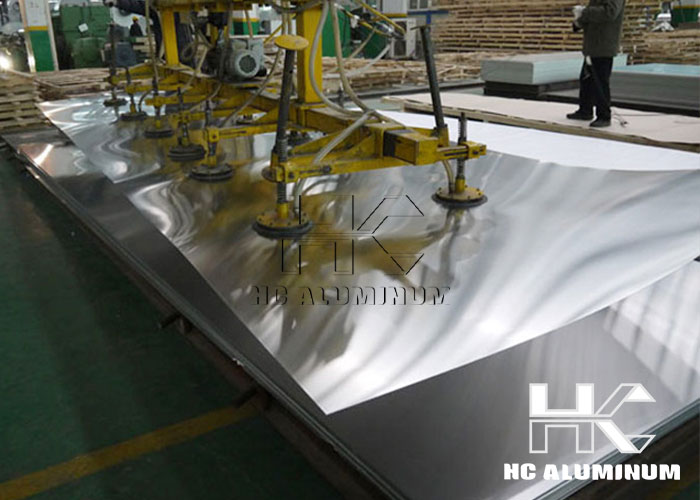
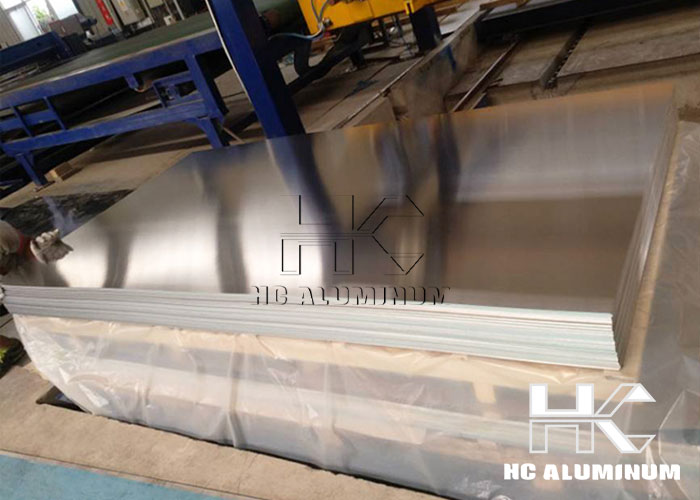
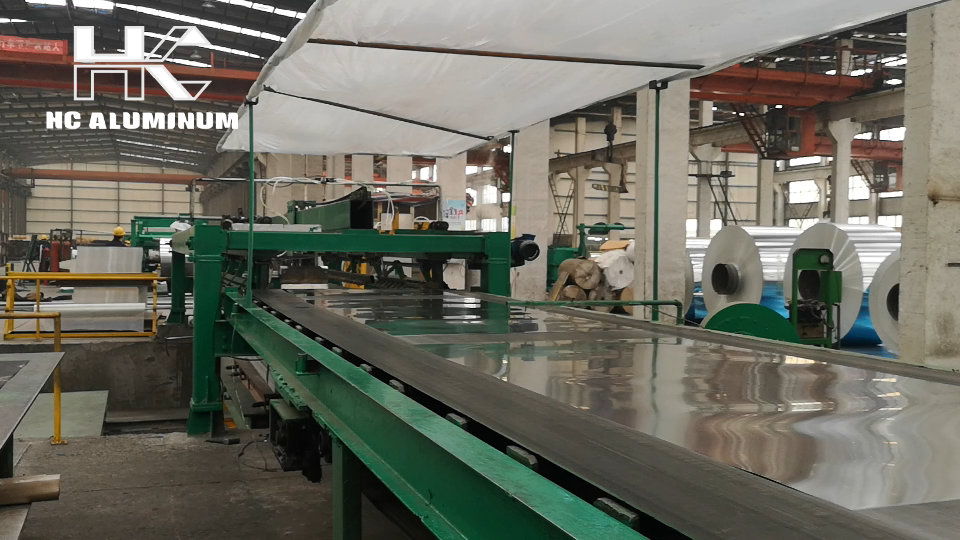

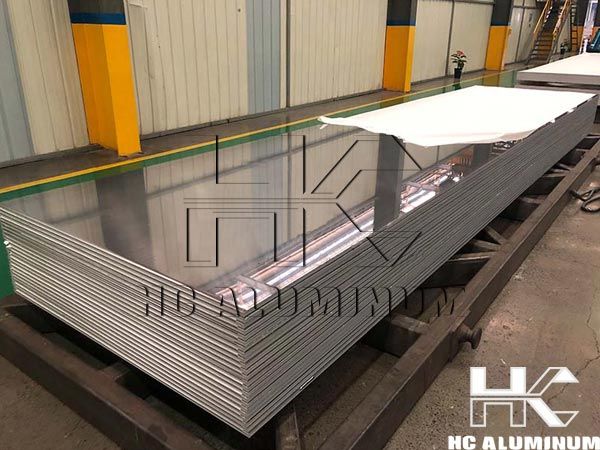
- Aluminum Sheet FactoryFeb 10, 2022
Aluminum sheet factory - HC Aluminium supply aluminum sheet product with different alloy from 1000 series to 8...
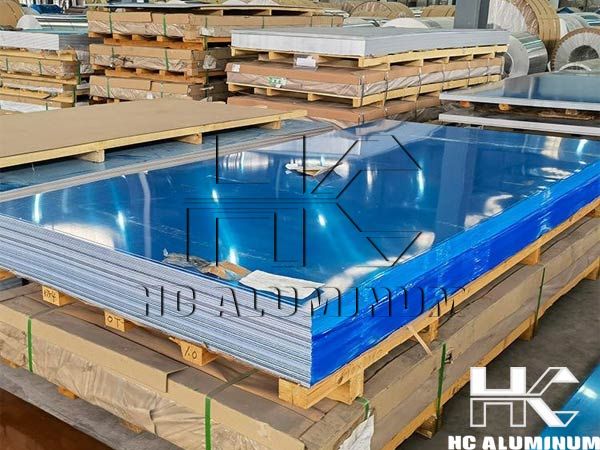
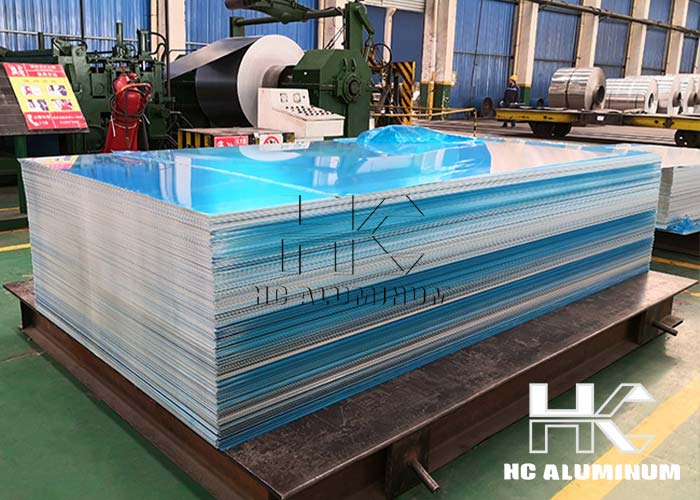
- 3003 Sheet AluminumSep 27, 2023
The alloy composition of 3003 sheet aluminum is aluminum magnesium manganese alloy, which has good anti-corros...
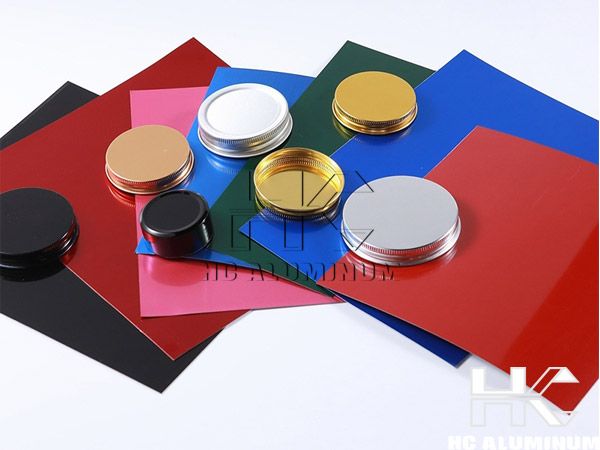
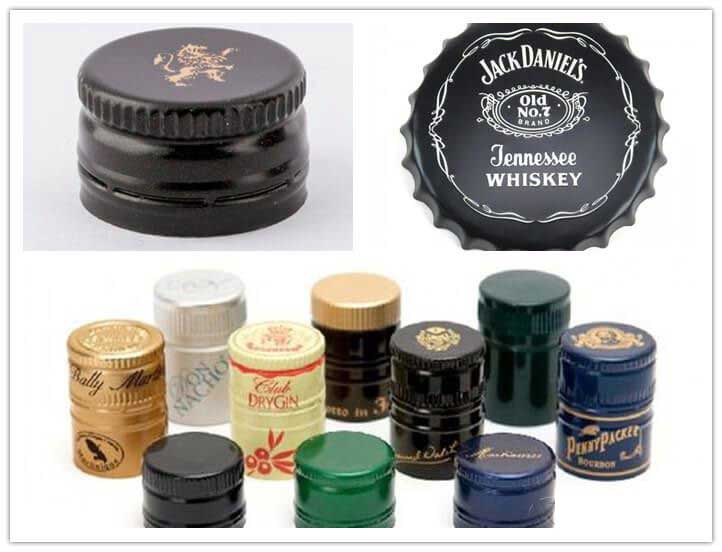
- Aluminum Sheet For PP Caps High QualityDec 23, 2024
Aluminum sheet for PP caps is a specialized aluminum alloy material with excellent processing properties and a...
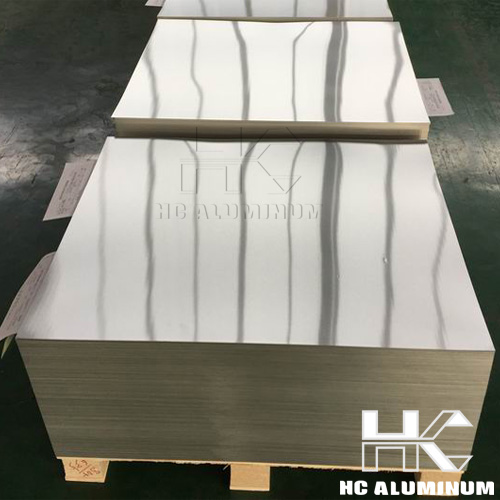
- 1050 Aluminium Sheet ManufacturerDec 29, 2021
HC Aluminum is large scale 1050 aluminium sheet manufacturer based in China who offer prime quality aluminum s...
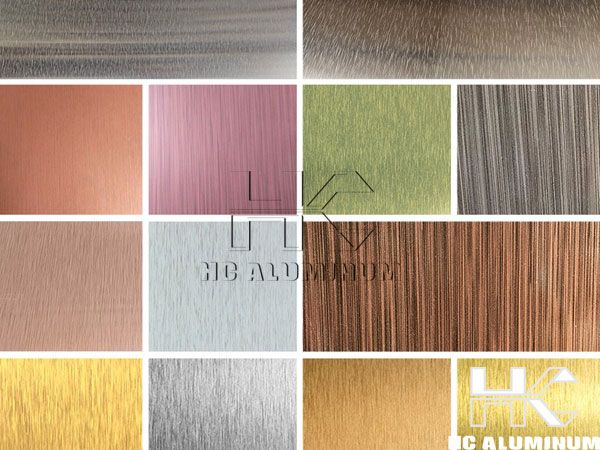
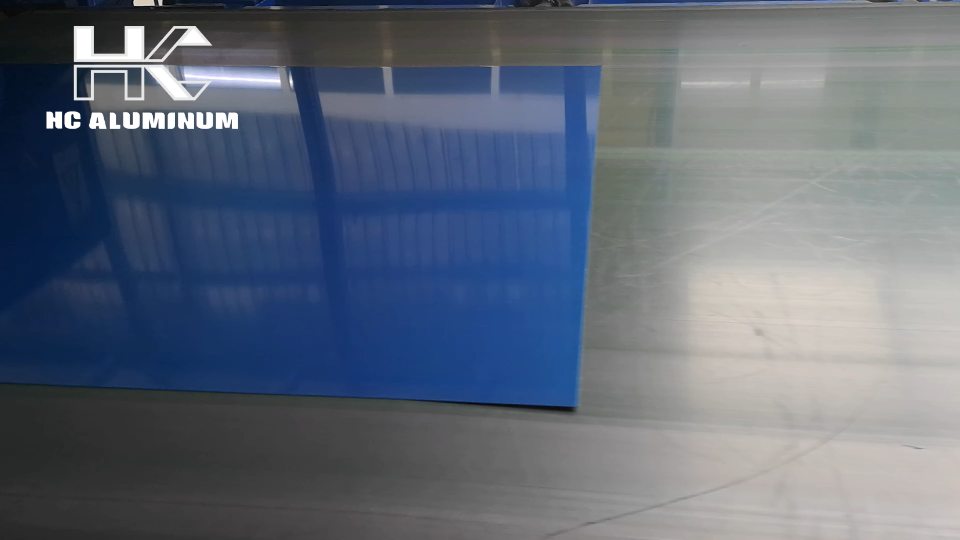
- What Are The Colors of Brushed Aluminum Sheets?May 16, 2025
Common brushed aluminum sheet colors include silver, black, gold, rose gold, blue, red and green.
TABLE OF Contents

HENAN HC ALUMINUM CO., LTD
Tel: +86-371-58525958
Email: sales@aluhc.com
Website: https://www.aluhc.com
OFFICE ADDRESS: 1107, Lujin Building, CBD, ZHENGHZOU, HENAN CHINA
CONTACT: MR. MA
CELL/Whatsapp: 008618137889531