6061 T6 Aluminum Sheet Price
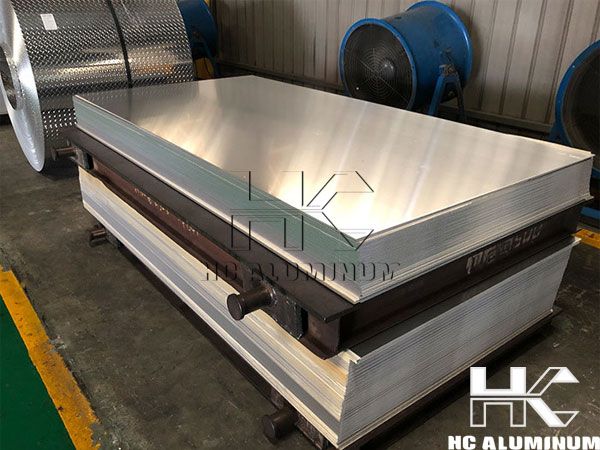
6061 t6 aluminum sheet price is not a single figure, but a dynamic system comprised of LME aluminum ingot benchmarks, alloy processing premiums, heat treatment costs, and specification coefficients.
Among industrial aluminum export products, 6061 T6 aluminum sheet is a core material for structural applications. Its price is not a single figure, but a dynamic system comprised of LME aluminum ingot benchmarks, alloy processing premiums, heat treatment costs, and specification coefficients. Based on the FOB prices of major Chinese ports in July 2026, the price range for 6061-T6 hot-rolled aluminum sheets of standard thickness (3mm–20mm) and standard width (1220–1500mm), in full container orders (starting from 20 tons), is concentrated at USD 3,650–4,120/ton. For thin aluminum sheets ≤2mm thick or extra-thick aluminum plates ≥50mm thick, the specification premium is approximately 8%–15%, and the unit price can rise to over USD 4,400/ton.

The underlying logic of this price range can be broken down into three parts.
First, there's the cost of aluminum ingots, which accounts for approximately 76%–82% of the final selling price. In late July, LME three-month aluminum fluctuated between $3,135 and $3,160 per ton, while domestic Yangtze River spot A00 aluminum ingots were equivalent to approximately $3,200 per ton. This price difference reflects the influence of regional premiums and import/export policies. 6061 aluminum sheet, as a Mg-Si heat-treated strengthening alloy, requires the addition of alloying elements such as magnesium, silicon, copper, and chromium. The alloying cost is approximately $220–300 per ton higher than pure aluminum, which is the fundamental source of the premium that distinguishes 6xxx series aluminum from 1xxx series and 3xxx series aluminum.
Second, there are processing and heat treatment costs, which are the core variables differentiating the prices quoted by various suppliers. T6 temper aluminum requires a complete process chain of solution treatment and artificial aging, with the heat treatment stage alone adding approximately $140–200 per ton to the cost. HC Aluminum's production line uses a roller hearth continuous solution furnace, controlling the quenching transfer time to within 15 seconds. This ensures that the thickness-direction hardness uniformity (HB 95–110) consistently meets standards above 99%. This level of process control directly determines the consistency of the material's mechanical properties, explaining why high-quality factories, despite quoting $250–400 per ton higher than smaller processing plants, continue to receive repeat purchases from European and American customers.
The third layer involves specification premiums and surface requirements. In terms of thickness, conventional medium-thick plates of 6mm–12mm have the lowest processing fees and are the volume-driven specifications. Thin sheets below 2mm have processing fees that are 10%–14% higher due to the more rolling passes and greater difficulty in shape control. Plates thicker than 50mm require large-tonnage hot rolling mills for billet preparation, with a premium of over $450 per ton. Surface grade also affects pricing. The price difference between ordinary milled sheets and coated polished sheets is approximately $70–130 per ton, while aerospace-grade or ultrasonically tested sheets require an additional 18%–28% in testing and quality control costs.
From a procurement strategy perspective, international buyers need to pay attention to three volatile factors.
First, the LME price trend. Goldman Sachs recently lowered its Q4 2026 aluminum price forecast to $2,950 per ton. Resumption of production in the Middle East and new capacity in Indonesia are the main suppressing factors, and there is room for a decline in base prices in the second half of the year, but processing fees are relatively rigid.
Second, shipping and insurance costs. Disruptions on the Red Sea route have led to increased freight rates to the Middle East and Europe, requiring separate calculations for CIF pricing.
Third, minimum order quantity. Purchasing a full container (approximately 20–25 tons) can save approximately 6%–9% in overall costs compared to spot orders, and also has higher production priority.
For customers with long-term, stable demand, a "monthly fixed price + floating base price" pricing model is a more prudent choice. Based on the LME monthly settlement price, the processing fee is locked in for six months or a year, hedging against raw material fluctuations and facilitating budget control. HC Aluminum offers this pricing scheme to overseas customers with annual purchases exceeding 200 tons, along with complete customs clearance documents such as third-party testing reports and certificates of origin, helping customers smoothly clear customs and enter the market.
Overall, the 6061-T6 aluminum sheet price appears to be a single number, but it actually reflects a comprehensive picture of alloy composition, processing precision, specification matching, and supply chain capabilities. Simply comparing prices can easily lead to the trap of low price and low quality. Focusing on implicit indicators such as hardness uniformity, plate shape tolerance, and grain size control is the correct path to long-term cost optimization in procurement.

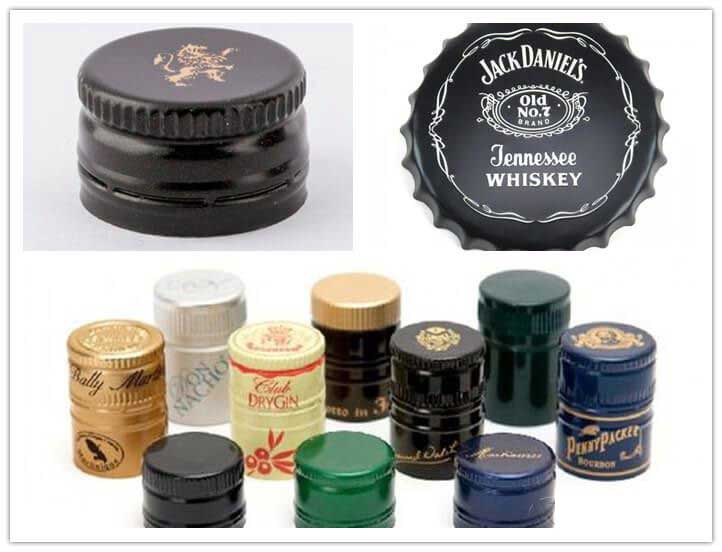
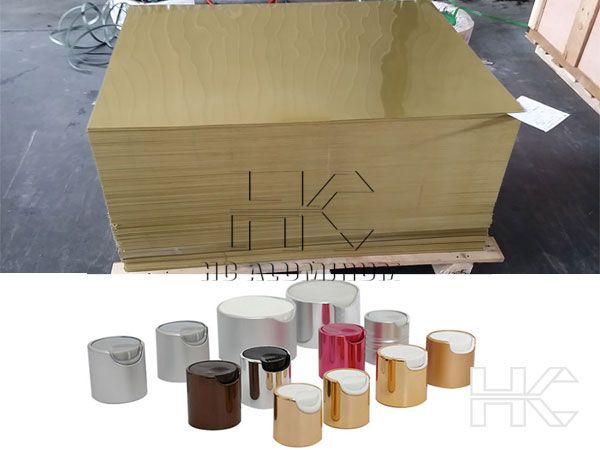
- Aluminium Sheet For Cosmetic Bottle CapsDec 02, 2024
Aluminium sheet for cosmetic bottle caps is an aluminum alloy material specially designed for cosmetic packagi...
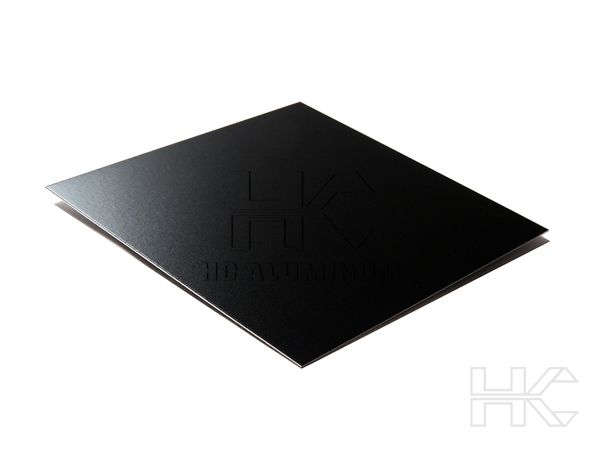
- Black Anodized Aluminum Sheet For Laser EngravingJun 23, 2026
With stable high contrast, micron-level precision, and batch consistency, black anodized aluminum sheet for la...
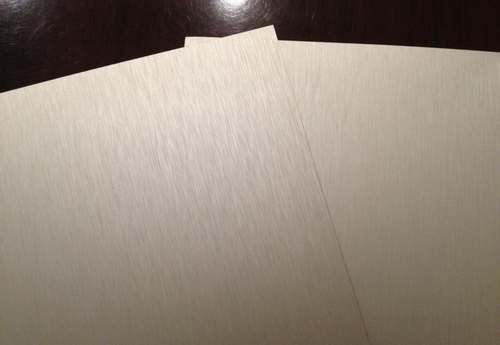
- Brushed Aluminum Sheets SupplierJan 20, 2026
As a leading brushed aluminum sheet supplier, HC Aluminum has cultivated the overseas market for over a decade...
- 10mm Aluminium PlateNov 13, 2023
The 10mm aluminium plate refers to the aluminum plate with a thickness of 10 mm. Aluminium plate of 10mm thick...
- 8mm Aluminum PlateAug 23, 2023
Most of the 8mm aluminum plate used for shipbuilding are 5083 aluminum plate, 5052 aluminum plate, 5086 alumin...
TABLE OF Contents

HENAN HC ALUMINUM CO., LTD
Tel: +86-371-58525958
Email: sales@aluhc.com
Website: https://www.aluhc.com
OFFICE ADDRESS: 1107, Lujin Building, CBD, ZHENGHZOU, HENAN CHINA
CONTACT: MR. MA
CELL/Whatsapp: 008618137889531