1000 Series Pure Aluminum Coils
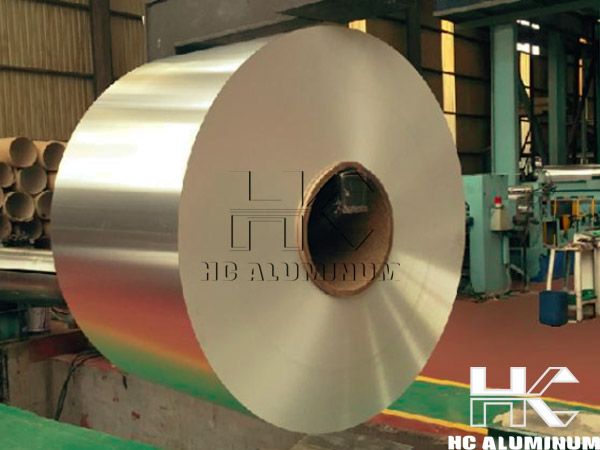
1000-series pure aluminum coils—including grades such as 1050, 1060, 1070, and 1100 - offer excellent electrical and thermal conductivity, corrosion resistance, and formability. They are widely used in construction, electronics, packaging, and stamping ap
1000 series pure aluminum coils are products composed primarily of industrial-grade pure aluminum. Common grades include 1050, 1060, 1070, 1100 and 1200. This series is characterized by a high aluminum content, superior electrical and thermal conductivity, good corrosion resistance, low density, and stable formability. 1xxx series aluminum coils are extensively used in architectural decoration, electronics and electrical appliances, chemical equipment, packaging, traffic signage, and general stamping/manufacturing processes.

Minimum aluminum content and impurity control requirements vary by grade. For instance, the aluminum content is typically at least 99.50% for 1050, 99.60% for 1060, 99.70% for 1070, and 99.00% for 1100. Actual chemical composition should be determined according to standards such as EN 573, ASTM B209, GB/T 3190, or specific technical agreements between the parties involved.
Key Properties of 1000 Series Pure Aluminum Coils
- Excellent Electrical and Thermal Conductivity
Pure aluminum possesses high electrical and thermal conductivity. 1060 and 1070 aluminum coils are frequently used for electrical connectors, transformer windings, heat sinks, heat exchange components, and electrical accessories. For products with specific electrical conductivity requirements, the testing method, material temper (condition), and minimum performance metrics should be specified during the inquiry stage.
- Excellent Formability
1000-series aluminum coils exhibit good ductility—particularly in the O (annealed/soft) temper—making them well-suited for processes such as stamping, deep drawing, bending, spinning, embossing, and roll forming. 1050, 1060 aluminum coil, and 1100 aluminum coils are commonly processed into items like aluminum discs, lighting reflectors, signage, decorative panels, and packaging materials.
- Atmospheric Corrosion Resistance
Aluminum naturally develops an oxide film on its surface, providing good corrosion resistance in typical atmospheric conditions, dry environments, and most neutral environments. In settings characterized by high salt-spray exposure, strong acids or alkalis, prolonged water accumulation, or contact with dissimilar metals, anti-corrosion measures—such as protective coatings, sealing, or isolation—must be incorporated into the design.
- Relatively Low Strength
Pure aluminum coils generally possess lower strength than 3xxx, 5xxx, or 6xxx-series aluminum alloy coils. While strain-hardened tempers (such as H14, H16, and H18) can increase hardness and strength, they also result in reduced elongation. In applications requiring higher structural strength, fatigue resistance, or load-bearing capacity for welded joints, alloys such as 3003, 5052, or 5754 should be considered instead.
Common Grades, Tempers & Specifications
Typical tempers for 1000-series pure aluminum coils include O, H12, H14, H16, H18, H19, H22, H24, and H26. The O temper is ideal for complex forming operations; H14 and H16 are frequently used for general stamping, embossing, and roll forming; while H18 and H19 are suited for applications demanding greater rigidity and hardness.
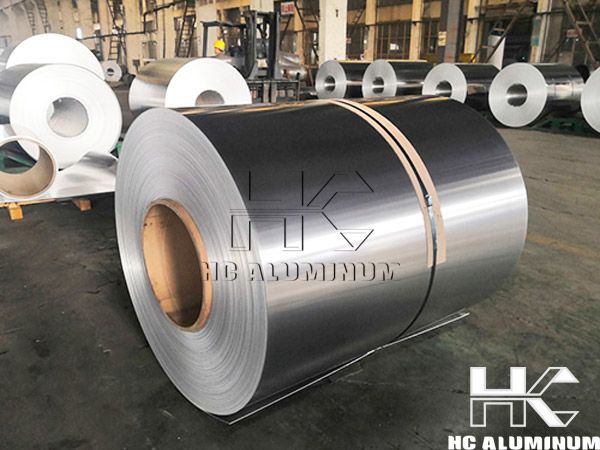
Standard thicknesses typically range from 0.20 mm to 6.0 mm, with widths generally spanning 20 mm to 2000 mm. Narrower aluminum strips can be produced via slitting, while thinner-gauge material can be further rolled into stock for aluminum foil production. Common inner diameters for aluminum coils include 150 mm, 300 mm, 400 mm, 500 mm, and 508 mm; the weight per coil and the outer diameter should be determined based on equipment capacity and the chosen mode of transportation.
Typical Applications
Aluminum jacketing for building insulation, as well as substrates for roofing and wall cladding;
Reflectors for lighting fixtures, traffic signs, nameplates, and advertising boards;
Aluminum strips for transformers, conductive busbars, heat sinks, and electrical components;
Aluminum circles for cookware, as well as stamped and spun parts;
Aluminum-plastic composite materials, adhesive tapes, packaging, and moisture/vapor barrier materials;
Substrates for color coating, embossing, brushing, and anodizing processes.
When purchasing 1000 series pure aluminum coils, it is essential to specify the alloy grade, temper, thickness, width, core diameter, coil weight, surface quality, and intended downstream processing methods. HC Aluminum offers pure aluminum coils in grades such as 1050, 1060, 1070, and 1100, with value-added services including slitting, cut-to-length, protective film application, embossing, and moisture-proof export packaging.


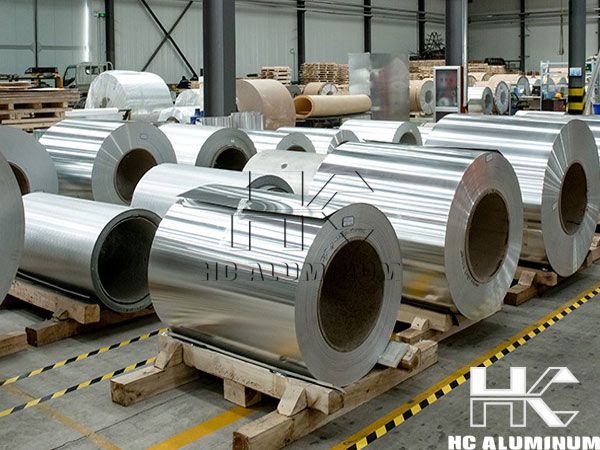
- Aluminum Coil Manufacturers In ChinaJul 24, 2024
Aluminum coil manufacturers in China usually use advanced rolling equipment and processes to produce 1000, 300...

- Color Aluminum Channel Letter Coil StripMay 06, 2025
As an important material in the advertising sign industry, color aluminum channel letter coil strip are widely...

- Aluminium Coil CompanyApr 26, 2022
When speak of aluminium coil company in China, we HC Aluminum can be regard as a professional aluminum coil ma...

- Coil Aluminum SheetMay 11, 2022
Coil aluminum sheet is a material we often use. Whether it is engineering construction or equipment packaging,...
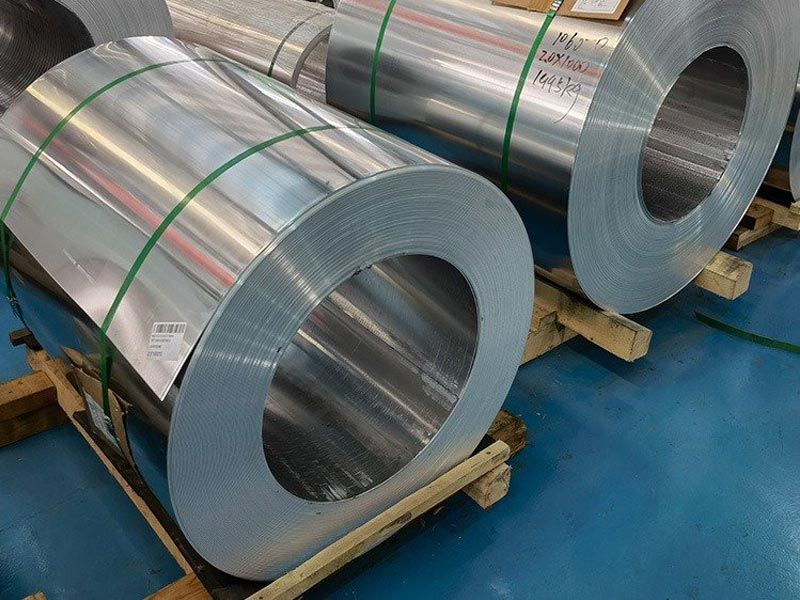
- What Is 5052 Aluminum Coil Used For?Oct 13, 2026
5052 aluminum coils are utilized in applications requiring corrosion resistance and formability, thanks to the...
TABLE OF Contents

HENAN HC ALUMINUM CO., LTD
Tel: +86-371-58525958
Email: sales@aluhc.com
Website: https://www.aluhc.com
OFFICE ADDRESS: 1107, Lujin Building, CBD, ZHENGHZOU, HENAN CHINA
CONTACT: MR. MA
CELL/Whatsapp: 008618137889531